




The very best tool for good coffee
Your palate is your "superpower"
Whether you've just embarked on your coffee journey – or you're a seasoned pro – you've probably realized that coffee can be... Complicated!
Good coffee is primarily characterized by the quality of the raw material. Then freshness, as well as clean and well-maintained brewing equipment. There are many possibilities, but in short, it's about how best to prepare the raw material based on the prevailing conditions. However, a lot of experimentation may be needed on the way to the perfect cup of coffee.
KAFFAbutikk is the natural choice for those who want to learn more about coffee and how to make good coffee on your own for yourself and your guests. Our unique position and experience from high-end coffee allow us to facilitate unique coffee experiences, no matter where you are.
The coffee you drink comes from a plant, and a number of factors affect how the plant grows. Processing from berry to bean also has a great influence on the result. Roasting adds yet another level of complexity to how a coffee will taste, and of course, there are even more variables when it's brewed. It can be enormously challenging to decode it all and turn it into a "good coffee!"
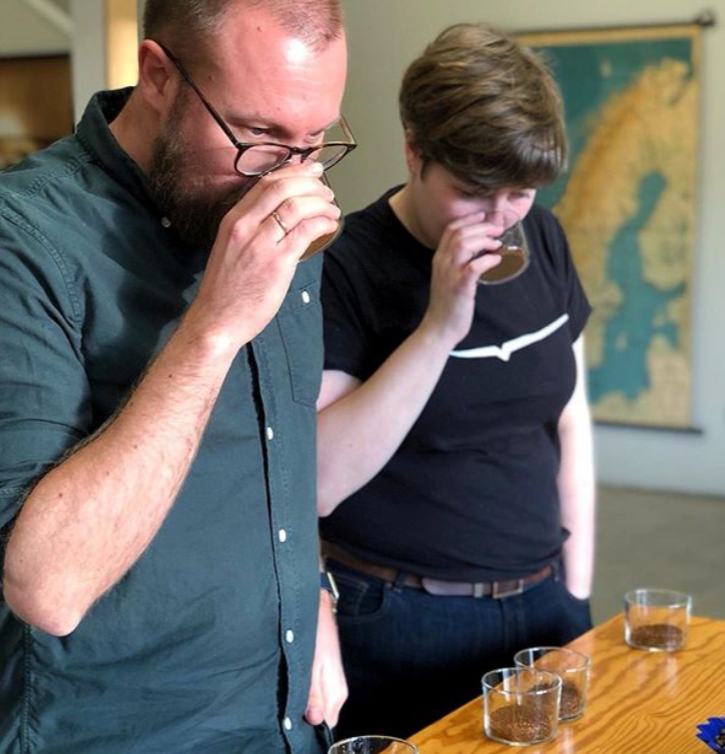
You took the first step in your coffee journey - buying high-quality coffee beans. The second step is to use a good grinder.
From there, it's about mastery - from mastering your preferred brewing method to learning more and more about extraction and the tools you need to succeed.
Tools such as a grinder, brewing equipment, and water are all important to get the most out of a fantastic coffee, but one tool you may have overlooked is your sense of taste. And that's a shame because it's the most useful tool you have!
The goal of making good coffee is, of course, to enjoy a tasty beverage. But your sense of taste (or palate) can do much more than just enjoy the end result – it can help you get there faster. Here are some tips on how best to use your palate to brew better coffee more efficiently:
Taste it!
Sometimes the coffee grounds left in the brewer can look uneven. Perhaps the water takes a little too long to drain. These are sometimes good indicators of problems in your brew, and it's good to be aware of them, but they don't tell you the whole story. Coffee brewing has many variables, and one factor alone will not necessarily determine success or failure every time.
Don't assume a cup of coffee doesn't taste good just because it looks that way. Taste it and check!
Close your eyes!
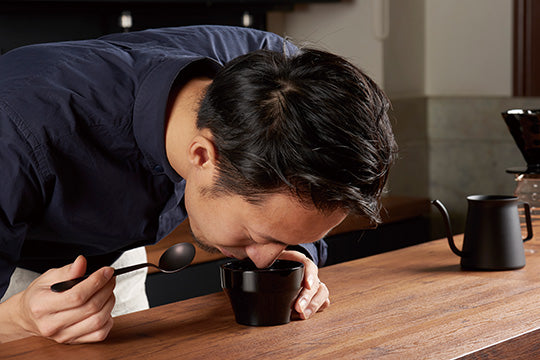
If you find it difficult to focus on what you're tasting, it may be due to sensory overload. Music or background noise, food odors wafting in, even looking at things around you, can all distract from the sensory experience you're trying to have. A common trick coffee professionals use is to close their eyes. This blocks one of the senses (sight) and allows the sense of taste to take greater focus in your mind.
If you ever have trouble tasting as intensely as you'd like - try closing your eyes!
Remember that tasting is an exercise in concentration, something we all need to get better at.
Don't be afraid to make some noise!
Another common tasting tip used by the pros is to get some air in a sip by slurping, instead of just sipping the coffee. This really helps to open up flavors and give you a more accurate picture of how your coffee tastes. By slurping coffee, you spray it inside your mouth, which means the coffee hits more taste buds. It also helps by encouraging "retronasal olfaction," which is just a complicated way of saying "flavor." It can be directly translated as mouth odor, which in an inelegant way explains that it's also about engaging the sense of smell in the taste experience. Slurping can be considered rude at the dinner table, but when you're tasting your way to a fantastic brew, don't be afraid to make some noise and slurp! It can make coffee a little more fun!
Distinguish between concentration and extraction!
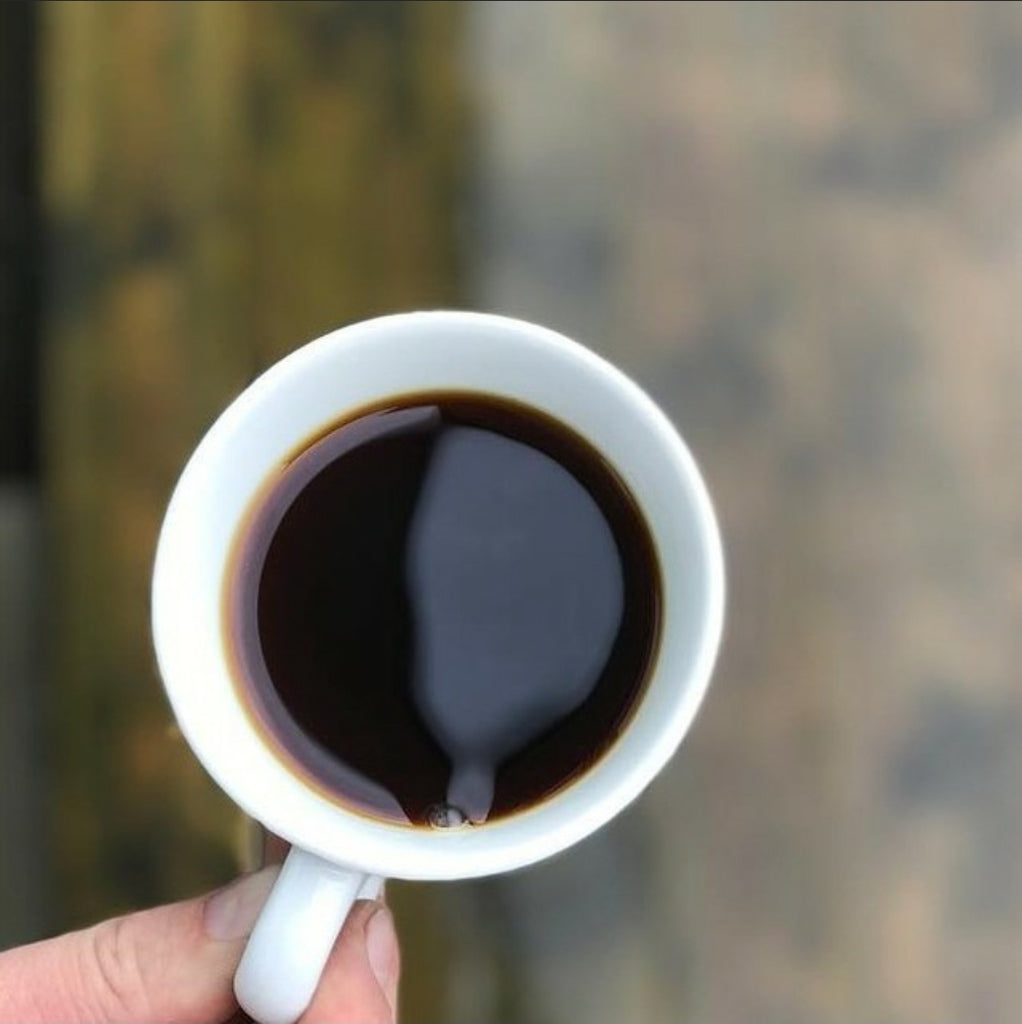
If you truly want to get good at using your sense of taste to find your perfect brew, we suggest you take a more focused approach to what you're tasting. Specifically, you can distinguish between concentration and extraction.
Knowing how each of these flavors tastes, and how changing them will affect the overall flavor, is a "powertool" for brewing the perfect cup. Once you've unlocked this superpower, you can avoid a lot of extra trial and error because you'll get a clearer idea of what needs to be changed in your brew.
Ultimately, the goal is to taste delicious coffee. There are many tools available to achieve this goal, but the most valuable tool you already possess - your sense of taste.
By Alexander Choppin, adapted for Norwegian by Rune Åldstedt


Relevante Artikler
-
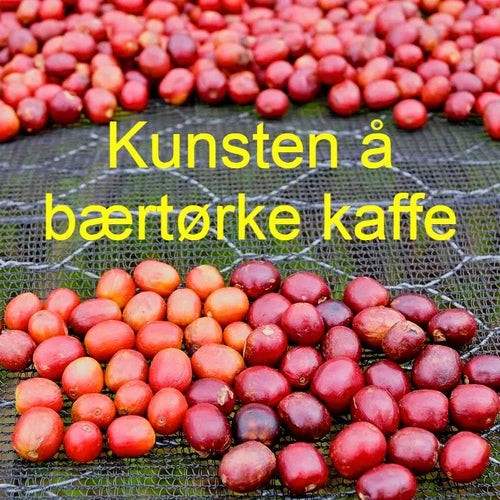
Part 5: The Art of Drying Coffee Cherries: A Guide from Cherry to Bean
Welcome back to part 2 of our deep dive into natural process coffee! In the previous article, we discussed history, t...
-
The most delicious cold coffee recipes
Six Refreshing Summer Coffee Recipes When the sun is blazing and the days are getting longer, few things beat ...


