




Tasting coffee, an introduction
Nectarine, lemon zest, black tea, cinnamon.
Floral, Jasmine, honeysuckle, marzipan.
Fruity, sweet, heavy, strawberry.
It all sounds delicious, but it doesn't make sense on a bag of coffee, does it? Shouldn't coffee just taste like coffee?

These terms are flavor descriptors, and they are used to explain how one coffee will taste compared to another. Of course, the drink you brew will taste like coffee, but if you look a little deeper, you can notice subtle differences. A new world of flavors then opens up. The terms themselves are the subtle notes that the roasting team behind this coffee has noted!
Sensory analysis is the correct term for what these people do when they come up with these flavor descriptions, and it's a fascinating process worth delving into. For now, however, let's briefly review what lies behind the strange words on your bag of coffee.
Where flavor notes come from.
As you know, coffee is an agricultural product, which means it is a complex living organism with its own unique flavor profile. Each coffee region, each harvest, each processing of the cherries can yield different results, much like a wine. Roasters use a standardized system for tasting and evaluating coffee called “cupping.” It's basically a fancy version of sipping a cup of brewed coffee. While doing this, tasters evaluate different types of flavors they notice in the coffee itself in their mouth. With the help of an exploratory and well-calibrated palate, anyone can connect a particular sweetness in a coffee with a fruit they have tasted before, or a type of sugar, etc. etc.When enough people do this together, some common flavors will appear more often. If five tasters analyze a coffee and note “brown sugar,” it can reasonably be inferred that a common taste experience from this coffee is the taste of brown sugar!
What can you taste?
It is important to remember that these are personal experiences. Each person will taste things a little differently, and it's perfectly fine not to notice “buttercups” when drinking a cup of coffee. Your experience is just as - if not more - valuable!If you don't have a razor-sharp palate and many years of coffee tasting experience, it doesn't mean you enjoy your coffee less, possibly quite the opposite!

Firstly, it's perfectly fine not even to want to taste more than "good coffee." If you want to delve deeper, but you're not confident enough to find "yuzu," don't despair! Just make things a little simpler, or "zoom out," so to speak. Yuzu is a complex and exciting citrus fruit, and even if you've never tasted one before, chances are you've eaten some form of citrus fruit. If you taste a coffee and notice a certain "citrusy" quality - bingo! You've just nailed a flavor description! Nine out of ten times, if you give "citrus" as a flavor note, you'll impress your friends.
Is "citrus" still too precise? That's good too! "Fruity" is a good flavor description. Even "sweet" works. No matter how untrained your palate is, you still have your own unique impression of the coffee you taste if you want to.
How do I recreate the flavors in my brew?
This is a question we often get - you drink a coffee in a cafe and decide to take a bag home with you. It's the same coffee, but it just doesn't taste the same. Why?
Well, we like to say that buying quality coffee is the first step towards delicious coffee at home. The second step is the grinder itself. If you have a good grinder, you're almost there. A few simple tips and tricks for brewing coffee can help you adjust to fantastic coffee.
Understanding extraction, and the variables that affect it, will take you a long way when making "coffee shop quality" coffee at home in your kitchen.
Coffee doesn't just taste like coffee.
No matter where you are on your coffee flavor journey, you can dive in and explore the flavors in each coffee. Will you taste the same things that are on the bag? Or will you perhaps find your own flavors? No matter where this journey takes you, it is a delicious experience.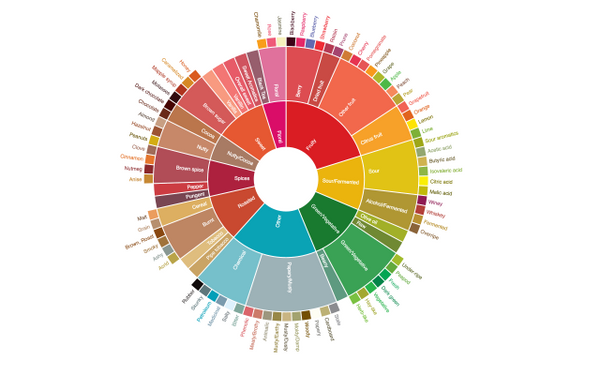
By Alexander Choppin, adapted for Norwegian by Rune Åldstedt


Relevante Artikler
-

Matcha, coffee, or both? How to optimize your energy
What is it about us Norwegians and coffee? In Norway, we drink an average of 9-10 kilos of coffee per person per year...
-
Cafecore: A new trend for all the senses
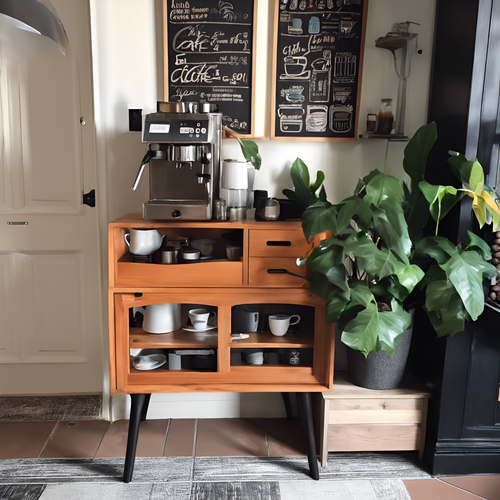
Create your own coffee corner with the "CafeCore" trend! Do you love the warm and inviting atmosphere of your favorit...
-
KAFFA x Renate Thor - this year's design
In 2018, KAFFA underwent an extensive brand overhaul to update our image. A decision was made to focus on our locati...


