



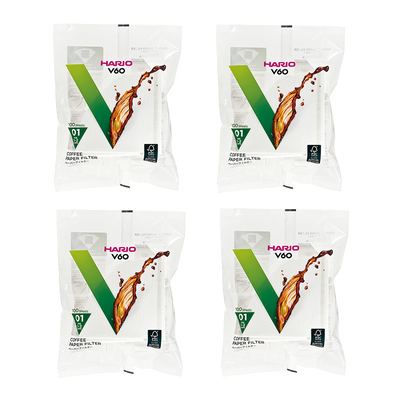

We know HARIO as an innovative and alert manufacturer. Both in terms of technology and the development of glass and shapes, but also when it comes to trends and material usage. Nothing is left to chance.
Over the past couple of years, they have developed a series of products with olive wood elements. They have both developed new products in the coffee series, and also taken some of the well-known and established products and replaced materials. For example, the serving pot with plastic handle is now also available with an olive wood handle.


The Wood
Olive trees grow slowly, and the wood often becomes hard. It is when the wood has become too old to harvest olives that it is used for other purposes. To highlight the characteristic grain and protect the wood, it is recommended to oil it with a neutral oil (e.g., canola oil).
History
The olive tree is estimated to live for several centuries, and some of the oldest olive trees still in existence can reportedly be traced back to the time of Jesus. (Written records, however, point back to Crete, 5000 years ago, and it was probably one of the first plants to be cultivated.) The olive wood used in HARIO's productions originates from Italy. The over 40 different species in the olive family originally come from temperate and tropical regions in Southern Europe, Africa, South Asia, and Australia. The most famous and important tree in the genus is the European olive tree (Olea Europaea).
Since ancient times, this tree has been used to produce oil, food, and fuel. Today, the most avid olive tree enthusiasts would probably be horrified to see this wood used for fuel.

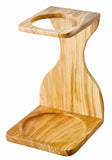

Aesthetics and Culture
The visual expression of glass combined with olive wood is well received, perhaps especially here in the Nordic countries. There is something both fragile and strong about the expression. Wood of various kinds has throughout history shaped our own national culture and history. In a Norwegian art historical context, another type of wood, namely birch, has been used as a symbol of the common man's struggle against oppression, stubbornly clinging on.
It is quite possible that this is part of the reason why various types of wood – in art and in function – still resonate with us and are relevant today. In any case, it is neither the first nor the last time the Japanese have created objects that correspond well with Scandinavian tradition.
For centuries, the olive tree has been considered a luxury item and carries a number of cultural connotations. One example is the "olive branch" symbolizing "peace" according to religious texts. The olive tree has been attributed special meanings in many cultures, and that is, if nothing else, an exciting aspect of choosing this material.


